School of Liberal Studies and Humanities, UPES Dehradun
Ranked #45 Among Universities in India by NIRF | Get Upto 100% Scholarships


CUET Chemistry Question Paper 2026: The National Testing Agency (NTA) has successfully concluded the CUET UG 2026 Chemistry examination, which was held across multiple shifts during the exam window. Candidates can now check the CUET Chemistry Question Paper 2026 along with the detailed shift-wise analysis on this page. It includes the overall difficulty level of the paper, important chapters covered, question trends, and student reactions from different shifts. Based on student feedback and expert review, the overall difficulty level of the CUET 2026 Chemistry paper was moderate, with questions spread across Physical, Organic, and Inorganic Chemistry. Many students found the paper largely NCERT-based, with a balanced mix of theory-driven and concept-based questions testing both understanding and application. The CUET Chemistry Question Paper 2026 is a useful resource for candidates preparing for upcoming sessions or reviewing this year’s paper pattern. Chemistry continues to be one of the most preferred domain subjects among students seeking admission to undergraduate programmes such as BSc, BTech, pharmacy, and other science-related courses in central universities.
This Story also Contains
Latest: Organic vs Inorganic - Which has more weightage in CUET Chemistry Paper 2026?
Candidates looking for detailed Exam Analysis can download: Science CUET 2026 Exam Analysis and Memory-Based Questions
| Date | Shift 1 Analysis | Shift 2 Analysis |
|---|---|---|
| 11 May | Moderate - balanced paper; NCERT + concept-based; Organic slightly tricky | - |
| 12 May | - | Easy - Organic Chemistry had higher weightage; NCERT-based and scoring |
| 14 May | - | Easy - direct NCERT-based questions; Organic highest weightage |
| 15 May | Moderate - concept-heavy paper; Organic comparatively difficult | - |
| 18 May | Easy to Moderate - Organic highest weightage; scoring paper | Easy to Moderate - NCERT-based; Physical more conceptual than numerical |
| 19 May | Easy - Organic had maximum weightage; few tricky questions | - |
| 20 May | - | Easy to Moderate - theory-oriented; very few numericals |
| 21 May | Easy - straightforward NCERT-based paper | - |
| 24 May | Easy to Moderate - balanced chapter coverage; formula + concept mix | - |
| 25 May | - | Easy to Moderate - formula-based Physical Chemistry; NCERT-heavy IOC |
| 29 May | Easy - direct and scoring | Moderate - slightly more twisted language; conceptual and application-based |
| Parameter | Observation |
|---|---|
| Easiest Shift | 14 May Shift 2 / 21 May Shift 1 |
| Toughest Shift | 15 May Shift 1 |
| Most Organic Chemistry-Heavy | 12 May Shift 2, 18 May Shift 1, 19 May Shift 1 |
| Most Physical Chemistry-Heavy | 24 May, 25 May Shift 2, 29 May |
| Most Inorganic Chemistry-Focused | 25 May Shift 2, 29 May |
| Most NCERT-Based Shift | 14 May Shift 2 |
| Most Conceptual Shift | 15 May Shift 1 |
Ranked #45 Among Universities in India by NIRF | Get Upto 100% Scholarships
Application form FREE of Cost for a Limited Period of Time | #11 by NIRF | NAAC A++ Accredited Institution | 1100+ Recruiters
| Section | Overall Trend |
|---|---|
| Physical Chemistry | Mostly formula-based with limited numericals |
| Organic Chemistry | Highest weightage in most shifts; mechanisms important |
| Inorganic Chemistry | Mostly direct NCERT theory and factual questions |
Solutions
Raoult’s Law
Henry’s Law
Chemical Kinetics
Rate Law
Arrhenius Equation
Electrochemistry
Nernst Equation
Coordination Compounds
VBT
CFT
Hybridisation
Magnetic Moment
d- and f-Block
Lanthanoids
SN1 and SN2
Named Reactions
Aldol Reaction
Acidic and Basic Strength
Alcohols
Biomolecules
Vitamins
Glucose and DNA-based questions
Get expert advice on college selection, admission chances, and career path in a personalized counselling session.
Below is the detailed analysis of the CUET Chemistry 2026 Question Paper.
Overall difficulty level was easy in Shift 1 and moderate in Shift 2.
Shift 2 had slightly twisted language compared to Shift 1.
Solutions chapter had good weightage in the paper.
Questions from Raoult’s Law were asked.
Ideal and Non-Ideal Solutions were covered.
Henry’s Law question appeared, including formula-based matching.
One numerical was asked from Solutions.
Chemical Kinetics had a question from Rate Law, including numerical-based application.
Electrochemistry had strong weightage.
A passage-based question from Galvanic Cell was asked.
Question on EMF calculation using Nernst Equation appeared.
Question based on ΔG° was included.
Question based on cell representation appeared.
Coordination Compounds had multiple questions.
Questions from VBT, hybridisation, geometry, and magnetic moment (μ) were asked.
CFT and electronic configuration based question appeared.
Question on t₂g, e g, and number of electrons was asked.
High spin / Low spin concept was asked.
In d- and f-block, question from Lanthanoids appeared.
One question on electronic configuration of Pd (Z = 46) was asked.
Question based on O-N-O arrangement appeared.
Organic Chemistry included one passage-based question on Aspirin.
Question from Hydration of Alkene was asked.
Aldol reaction question appeared.
2,4-DNP test question was included.
Questions from Biomolecules included DNA bases, Glucose, and Vitamins.
Paper had a mix of NCERT theory, formula-based questions, numericals, and passage-based MCQs.
B.Tech Admissions Open 2026 | #2nd in India by The World University Rankings for Innovation | 200+ Collaborations | 700+ Industry Recruiters
Scholars’ Round Deadline: 14th Nov’26 | Earn upto 50% merit Scholarship + 10% for top performers | EFMD Accredited | AACSB (USA) & AMDISA Member | Highest CTC 28 LPA
Physical Chemistry
Mostly formula-based questions
Questions came from:
Activation energy
Units of order
Units of conductance
Electrochemistry formulas
Deviation from solutions
Molarity, molality, ppm
Easy to moderate level
Direct formula application was important
Inorganic Chemistry (IOC)
Mostly NCERT-based questions
Important topics:
Spectrochemical series
VBT
CFT
f-block elements
Theory and memory-based section
Coordination chemistry was important
Organic Chemistry
Questions came from:
Acidic strength
Basic strength
Solubility
Name reactions
Electrophilic reactions
Biomolecules and diseases
SN1 and SN2
Mechanism understanding was important
Overall Level
Chemistry was easy to moderate
NCERT was very important
Formula revision + reaction mechanisms helped the most
The paper was easy to moderate
From the Solutions chapter, Ideal and Non-Ideal solution-based- match the following questions were asked
Numerical question on ( i ) factor and application of Osmosis was asked
From the Kinetics chapter, Rate Law question on order sequence was asked, students had to arrange reactions according to order of reaction, one question from Arrhenius Equation.
From Electrochemistry, Nernst Equation question was asked
From Coordination Compounds, IUPAC Naming and Isomerism questions were asked
From SN1 and SN2 reaction mechanism, questions were also there.
From the D and F Block chapter, questions on KMnO₄ and K₂Cr₂O₇ were asked
From Organic Chemistry, Named Reaction questions were asked
Around 2 questions from Acidic and Basic strength were asked
Questions on Protein, Glucose, Insulin and Vitamins were asked
The paper was overall easy
Questions on Phenol and Water were asked
Question on Hinsberg Reagent was asked
Question on Reimer-Tiemann Reaction was asked
Questions on Acidic Strength and Basic Strength were asked
Question on Highest Boiling Point and Lowest pKa was asked
Question on was asked
From Biomolecules, two Paragraph-based questions on Carbohydrates were asked
Paragraph-based questions from Electrochemistry with around 5 questions were asked
Structural Isomer Match the Following question was asked
From the Solutions chapter, questions on Raoult’s Law and Henry’s Law in Match the Following format were asked
Statement-based questions on Alkaline compounds were asked
Questions from Coordination Compounds were asked
Statement-based questions on Molecularity were asked
Questions on Methanol and Ethanol were asked
Chemistry paper was mainly theory-oriented and NCERT-focused.
Numerical questions were very limited in this shift.
Most questions were direct conceptual and factual questions.
Physical Chemistry calculations were comparatively less difficult and fewer in number.
Inorganic Chemistry theory-based questions appeared more prominent.
Organic Chemistry focused more on reaction concepts and fundamental understanding rather than multi-step mechanisms.
Questions were mostly straightforward without lengthy problem-solving requirements.
The paper tested conceptual clarity and memory-based preparation from NCERT textbooks.
Students reported that the Chemistry section was less calculation-heavy compared to expectations.
Direct statement-based and fact-based questions were easier to attempt quickly.
Time management remained comfortable because lengthy numericals were mostly absent.
Students with proper NCERT revision could attempt a major portion of the paper confidently.
Overall difficulty level of Chemistry was considered easy to moderate.
Chemistry paper was easy overall
Around 4-5 questions were tricky
Most questions were direct NCERT-based
Question distribution:
20 questions from Organic Chemistry
Included 5 comprehension/passage-based questions
15 questions from Inorganic Chemistry
15 questions from Physical Chemistry
Questions asked from Solutions:
Molarity numerical
Ideal vs Non-Ideal solutions
CP/BP order matching
From Chemical Kinetics:
Paragraph-based question
From Electrochemistry:
SRP (Standard Reduction Potential) based reducing power question
From Coordination Compounds:
Heteroleptic compounds
Unpaired electrons
Organic Chemistry questions:
SN1 and SN2 reactions
Reaction mechanism
Phenetole
Acids and Bases
Preparation reactions
Biomolecules questions:
RNA sugar
DNA
Fructose
Important concepts asked:
Mechanism understanding
NCERT reactions
Conceptual matching
Basic numericals
Overall trend:
Organic Chemistry had highest weightage
NCERT was very important
Biomolecules questions were direct
Physical chemistry numericals were simple
Inorganic questions were mostly factual and concept-based
Difficulty level:
Physical Chemistry → Easy to Moderate
Organic Chemistry → Moderate
Inorganic Chemistry → Easy
Overall Paper → Easy
Key observation:
Students with strong NCERT preparation could attempt most questions comfortably
Organic reaction mechanisms were important
Few lengthy calculations were asked
Comprehension-based organic questions required conceptual clarity
Paper difficulty: Easy to Moderate
Around 35 questions were easy
Around 15 questions were moderate
Questions from Ideal and Non-Ideal Solutions were asked
Solubility order questions were asked
Boiling point comparison questions were asked
Paragraph-based questions from Chemical Kinetics were asked
Around 5 questions from Rate Law were asked
Questions on order of reaction and rate expression were asked
Questions from Electrochemistry were asked
Questions on Standard Hydrogen Electrode were asked
Battery reaction questions were asked
Match the Following format was used
Coordination Compound questions were asked
Questions on geometry of complexes were asked
Questions on number of unpaired electrons were asked
Magnetic property-based questions were asked
Questions from D and F Block chapter were asked
Oxidation state and trend-based questions were asked
Paragraph-based Organic Chemistry question from Alcohols was asked
Question on SN1 order was asked
Statement-based question on SN2 was asked
Question on acidic reaction was asked
NCERT-based conceptual questions were dominant
Mechanism-based Organic Chemistry was important
Match the Following and paragraph-based questions were repeated frequently
Physical Chemistry was more conceptual than numerical
Easy to Moderate Paper with Higher Organic Chemistry Weightage
Overall Difficulty Level: Easy to Moderate
The Chemistry paper was mostly NCERT-based and direct.
Overall level of the paper was easy to moderate.
Organic Chemistry had higher weightage compared to Physical and Inorganic Chemistry.
Around 10-12 questions were asked from Organic Chemistry.
Physical and Inorganic Chemistry together contributed around 30-40 questions.
Most questions were conceptual and formula-based.
Numerical questions were limited and manageable.
Important Topics Asked
SN2 reaction and transition state
Ethylene glycol and antifreeze
Gattermann-Koch reaction
Aldehyde to acid conversion
Zero-order reaction
Rate law and reaction order
Coordination compounds
VBT and IUPAC nomenclature
Lanthanoids
Conductivity order
Catalyst matching
Lactose
Vitamin D
DDT
Student Feedback
Students found the paper scoring and manageable.
Questions were mostly from NCERT concepts.
Organic Chemistry was the most important section in this shift.
The paper was not particularly easy compared to expectations
Direct questions were fewer in number
More conceptual and application-based questions were asked
Organic Chemistry was considered comparatively tough
Questions were asked from:
Ideal and Non-Ideal Solutions
Henry’s Law
Molarity and Molality Numericals
Chemical Kinetics
Arrhenius Equation
Batteries and Fuel Cells
Molar Conductance
Oxidising Power
Coordination Compounds
d and f Block
Organic Reaction Series
Biomolecules and Vitamins
Physical Chemistry included:
Example and statement-based questions from Ideal and Non-Ideal Solutions
Match the Following from Henry’s Law
Numerical questions from:
Molarity and Molality
Arrhenius Equation
Theoretical concept-based question from Chemical Kinetics
Question on effect of dilution on molar conductance
Electrochemistry questions included:
Battery and Fuel Cell matching question
Arrangement of oxidising power
Coordination Compound questions included:
IUPAC nomenclature
Photography solvent concept (silver thiosulphate)
Magnetic moment of complexes
A paragraph-based set of 5 questions was asked from d and f Block, including:
Action of alkali on actinoids
Melting point order
KMnO₄ balancing reaction
Colourless compounds
Organic Chemistry included:
Series of reactions
Dehydration of alcohol to form ether
Monochlorination products
Solubility of organic compounds
Basic nature of organic compounds
Biomolecules and Chemistry in Everyday Life included:
Vitamin deficiency
Water-soluble and fat-soluble vitamins
Tertiary proteins
Linkage-based Match the Following question
The paper required strong conceptual clarity and careful NCERT reading
Match the Following and statement-based questions had significant weightage
Students with strong preparation in Physical Chemistry formulas, Coordination Compounds, and Organic mechanisms performed better in this shift
Overall, the paper was concept-heavy and moderately difficult, especially due to the tougher Organic Chemistry section
The overall difficulty level of the Chemistry paper was easy.
Most questions were directly based on NCERT concepts.
Option choices were designed to test conceptual understanding and clarity.
Around 90-95% of the questions were directly from NCERT.
Organic Chemistry had the highest weightage in the paper.
Important topics from Organic Chemistry included Name Reactions, Biomolecules, and Polymers.
In Physical Chemistry, important questions were asked from Chemical Kinetics, Solutions, and Electrochemistry.
In Inorganic Chemistry, Coordination Compounds and d & f Block elements had important weightage.
Most numerical questions were direct and formula based.
No highly complicated or lengthy calculations were asked in the paper.
The paper mainly focused on direct application of concepts and NCERT theory.
Students who thoroughly revised NCERT examples, reactions, and important formulas found the paper easy to attempt.
Paper was manageable for students with good NCERT preparation
Some questions were direct NCERT-based
A few questions required deeper conceptual understanding
Students who practiced PYQs found the paper easier to handle
Major topics asked in the paper included:
Electrochemistry
Chemical Kinetics
Coordination Compounds
d- and f-Block Elements
Haloalkanes and Haloarenes
Solutions
Organic Chemistry reactions
Assertion-reason questions were asked
Statement-based questions were also included
Most questions were concept-based MCQs
Around 2-3 statement-based questions were time-consuming
Organic Chemistry had reaction mechanism-based questions
Physical Chemistry included numerical and formula-based problems
Many students felt the paper was balanced
Overall paper was not considered extremely difficult
NCERT examples and line-by-line theory helped significantly
Organic Chemistry was slightly tricky for some students
Similar reaction options created confusion in Organic Chemistry
Teachers advised students to revise NCERT thoroughly
Focus on named reactions and inorganic chemistry trends was recommended
PYQs and mock test practice were considered important
Speed improvement in Physical Chemistry numericals was suggested
Concept clarity was important for assertion-reason questions
Overall paper difficulty level was easy
Most students were able to attempt more than 40 questions comfortably
Organic Chemistry had higher weightage in the paper
Questions from Solutions chapter were included
One question from Solutions was temperature-dependent
One statement-based question was asked on deviation from ideal and non-ideal solutions
One matching-type question was asked from Colligative Properties
Questions from Chemical Kinetics were included
One question was based on the unit of rate constant
One numerical question from first-order reaction was asked
Electrochemistry questions were asked from the Nernst Equation
Questions on order of oxidising power and batteries were included
A paragraph-based question was asked from Coordination Chemistry
Coordination Chemistry questions included ambidentate ligands and order of paramagnetism
Organic Chemistry questions were asked from SN1 and SN2 reactions
Questions based on acidity and basicity order were included
One matching-type question from named reactions was asked
Questions from bromination of phenol were included
Questions from Vitamins and Amino Acids appeared in the paper
One question was based on pentaacetate or hemiacetal structure of glucose
NCERT-based preparation was sufficient for most parts of the paper
Students can check and download the CUET UG 2026 Exam Analysis PDFs for different subjects from the table below. These PDFs and e-books are prepared only for exam analysis purposes using memory-based questions, student reactions, and expert analysis.
| CUET UG Subjects Exam | Exam Analysis and Memory-Based Questions PDF |
|---|---|
| CUET UG 2026 Subject-wise Exam Analysis and Memory-Based Questions | Download Now |
CUET 2026 English Memory-Based Questions and Analysis | |
CUET UG 2026 Commerce Memory-Based Questions and Analysis (Economics, Business Studies, Accountancy) | |
CUET UG 2026 Social Studies Memory-Based Questions, Analysis (Pol Science, History, Geography) | |
CUET UG 2026 General Aptitude Test (GAT) Memory-Based Questions and Analysis | |
CUET UG 2026 Maths Memory-Based Questions and Analysis |
Solving the actual paper with the help of detailed solutions is the most effective way to evaluate your performance and strengthen weak areas.
Subject | Download Link |
CUET Chemistry Question Paper with Solutions 2026 | To be updated soon |
Question 1. Which of the following is the weakest acid?
A. HCOOH
B. CH₃COOH
C. CH₃CH₂COOH
D. None of these
Question 2. In which pair does the rule of normal electronic configuration not apply?
A. Cr, Cu
B. Ag, Cd
C. Mn, Fe
D. Zr, Nb
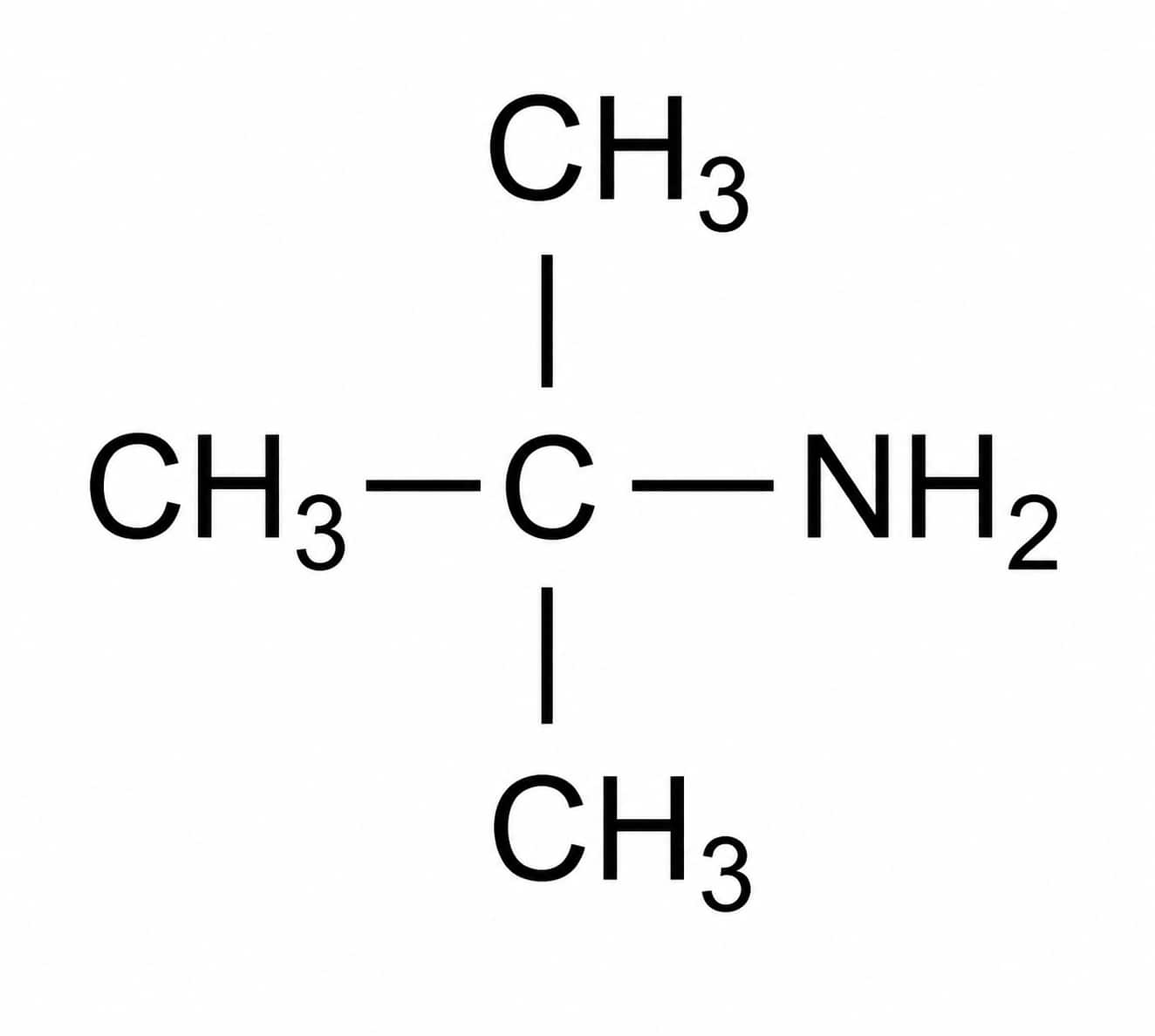
Question 3. Write the IUPAC name of the following compound:
Question 4. What will be the magnetic moment of Cr²⁺?
Question 5. Write the IUPAC nomenclature of Cu(NH₃)₄
Question 6. What type of bond exists between α-D-glucose and β-D-fructose?
Question 7. Which of the following is not a disaccharide?
A. Sucrose
B. Maltose
C. Lactose
D. Galactose
Question 8. What is the chemical name of Vitamin-K?
A. Tocopherol
B. Calciferol
C. Phylloquinone
D. Pyridoxine
Question 9. Which disease is caused due to deficiency of Vitamin-D?
A. Scurvy
B. Rickets
C. Convulsions
D. Beri-Beri
Question 10. In which structure are α-helix and β-pleated sheet formed?
A. Primary structure
B. Secondary structure
C. Tertiary structure
D. Quaternary structure
Question 11. On oxidation of glucose with HNO₃, what is formed?
A. Saccharic acid
B. Gluconic acid
C. n-Hexone
D. None of these
Question 12. On reacting benzenediazonium chloride with phenol, which color dye is formed?
A. Red
B. Orange
C. Yellow
D. Blue
Question 13. Which of the following does not give Tollens’ test?
A. α-hydroxy ketone
B. Aldehyde
C. HCOOH
D. CH₃COCH₃
Question 14. For the reaction A(s) + 2B⁺ ⇌ A²⁺ + 2B(s) the value of Kc is found to be 10¹². What is the value of E°cell?
A. 0.354 V
B. 0.708 V
C. 0.0098 V
D. 1.36 V
Question 15. Which of the following does not depend on temperature?
A. Molarity
B. Molality
C. Normality
D. All of these
Also check:
Frequently Asked Questions (FAQs)
Chemistry is a domain-specific subject and falls under Section II of the CUET 2026 exam. Students who wish to pursue science-related undergraduate courses must select it.
The CUET Chemistry 2026 paper has 50 MCQ-based questions, and all 50 are compulsory to attempt.
Yes, the CUET Chemistry syllabus is primarily based on the NCERT Class 12 Chemistry textbook. A strong grip on Class 12 concepts is enough to score well.
Yes, -1 mark is deducted for every wrong answer. You earn +5 marks for each correct answer and 0 marks for unattempted questions.
The PDF with solutions will be available on this page shortly after the exam. Keep checking back for the latest update.

On Question asked by student community
Hi!
Given below is the link to access the CUET 2027 English Vocabulary:
https://university.careers360.com/articles/cuet-2027-english-vocabulary-words
You may also find these helpful:
https://university.careers360.com/articles/50-most-important-phrasal-verbs-for-cuet-ug-2027
https://university.careers360.com/articles/idioms-and-phrases-for-cuet-2027-english-preparation
Hope that helps!
Hi student!
Given below are the links to access the CUET UG Previous Year Question Papers.
Also check:
https://university.careers360.com/articles/cuet-previous-year-question-papers
https://university.careers360.com/articles/cuet-ug-pyq
https://university.careers360.com/articles/cuet-question-papers
Hope it helps!
Hello Divyam,
Download CUET UG PCM memory-based papers from the link below and apply filters to access Physics, Chemistry, and Math resources.
https://www.careers360.com/download/cuet-ebooks-and-sample-papers
Hi,
You can check the CUET Tamil previous year question paper with answer key by clicking on the link below.
Hi,
The total marks of CUET UG for each subject is 250 marks. You can check the CUET OBC cut off marks of previous year by clicking on the link below.

Ranked #45 Among Universities in India by NIRF | Get Upto 100% Scholarships
Application form FREE of Cost for a Limited Period of Time | #11 by NIRF | NAAC A++ Accredited Institution | 1100+ Recruiters
B.Tech Admissions Open 2026 | #2nd in India by The World University Rankings for Innovation | 200+ Collaborations | 700+ Industry Recruiters
Scholars’ Round Deadline: 14th Nov’26 | Earn upto 50% merit Scholarship + 10% for top performers | EFMD Accredited | AACSB (USA) & AMDISA Member | Highest CTC 28 LPA
Highest CTC 30 LPA | #9 in Management Category by Times B-School | Merit-Based Scholarship Upto - 50 Crores
Admissions open for 4 year full time B.A/B.Sc Liberal Arts & B.A/B.Sc (Liberal Arts) Honours with Research