School of Liberal Studies and Humanities, UPES Dehradun
Ranked #45 Among Universities in India by NIRF | Get Upto 100% Scholarships


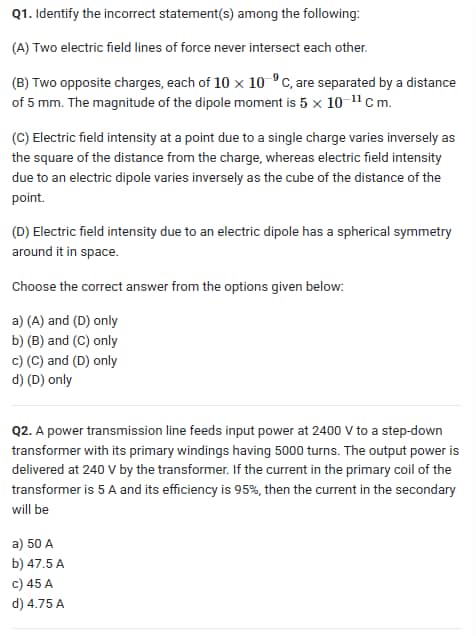
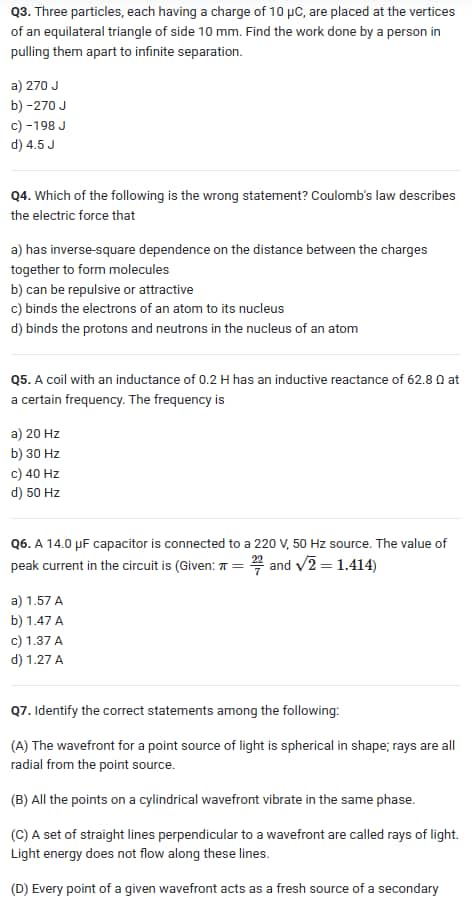
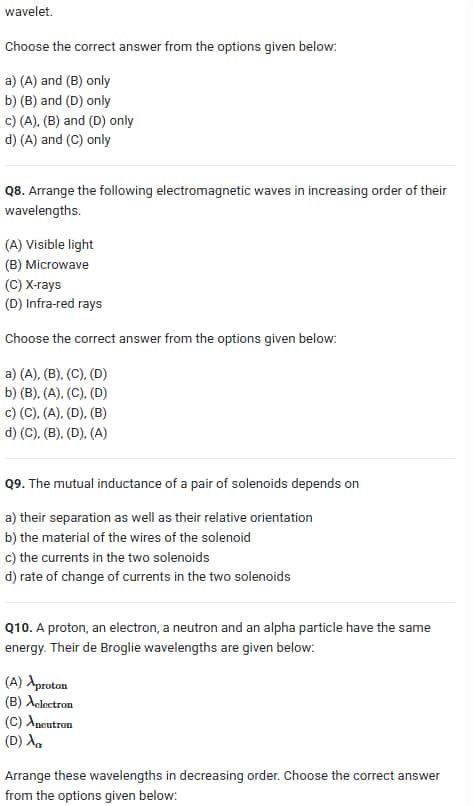
CUET Physics Question Paper 2026: The National Testing Agency NTA has successfully wrapped up the CUET UG 2026 Physics exam, which was conducted in multiple shifts throughout the exam window. Now candidates can check the CUET Physics memory-based questions, along with a shift wise paper analysis right on this page. This breakdown talks about the overall difficulty level, the main topics that appeared, the question style, and also what students said after each shift. Based on student feedback plus an expert review, the overall difficulty of the CUET UG 2026 Physics paper was moderate. The paper had a blend of conceptual questions and numerical ones, with a fairly even spread across the key units in the syllabus. A lot of students felt Physics was “scoring”, yet it still demanded solid conceptual clarity, quick problem solving, and the capability to use formulas accurately, even when time is tight. The Physics question paper will be updated here soon. Students can use this analysis together with mock tests, sample papers and previous year questions, to understand topic wise weightage better and reinforce their preparation in a more focused way.
This Story also Contains
Candidates looking for detailed Exam Analysis can download: Science CUET 2026 Exam Analysis and Memory-Based Questions
| Date | Shift 1 Analysis | Shift 2 Analysis |
|---|---|---|
| 12 May | - | Easy to Moderate - theory-heavy with manageable numericals |
| 14 May | - | Easy to Moderate - NCERT-based with theory + direct numericals |
| 15 May | Moderate - formula-based and concept-driven paper | - |
| 18 May | - | Easy to Moderate - conceptual questions dominated |
| 20 May | Moderate - Current Electricity and Magnetism important | Easy to Moderate - theory-based with limited calculations |
| 21 May | - | Easy to Moderate - more theory-based; fewer numericals |
| 22 May | - | Easy to Moderate - balanced and scoring |
| 24 May | Moderate - Modern Physics had very high weightage | - |
| 25 May | Moderate - NCERT + formula-driven; balanced coverage | - |
| 26 May | Moderate to Difficult - calculation-heavy and time-consuming | - |
| 27 May | Moderate - Electrostatics & Current Electricity highest weightage | - |
| 29 May | Easy to Moderate - theory-based with simple numericals | Easy to Moderate - slightly more conceptual than Shift 1 |
| Parameter | Observation |
|---|---|
| Easiest Shift | 18 May Shift 2 / 20 May Shift 2 |
| Toughest Shift | 26 May |
| Most Theory-Based Shift | 20 May Shift 2 / 21 May Shift 2 |
| Most Numerical-Heavy Shift | 26 May |
| Most Modern Physics-Focused | 24 May |
| Most Electrostatics-Focused | 27 May Shift 1 |
| Most NCERT-Based Shift | 14 May Shift 2 |
| Section | Overall Trend |
|---|---|
| Electrostatics & Current Electricity | Highest weightage across most shifts |
| Magnetism & EMI | Moderate and recurring |
| Optics | Moderate coverage with mostly direct questions |
| Modern Physics | Frequently asked and highly scoring |
| Semiconductors | Repeatedly asked in several shifts |
Ranked #45 Among Universities in India by NIRF | Get Upto 100% Scholarships
Application form FREE of Cost for a Limited Period of Time | #11 by NIRF | NAAC A++ Accredited Institution | 1100+ Recruiters
Get expert advice on college selection, admission chances, and career path in a personalized counselling session.
Below is the detailed analysis of the CUET Physics 2026 Question Paper.
The paper was easy to moderate
Questions were asked from Electric Charges and Fields (ECF)
Questions from Electrostatic Potential and Capacitors (EPC) were asked
From Current Electricity, questions on Resistors were asked
Question on Mutual Inductance was asked
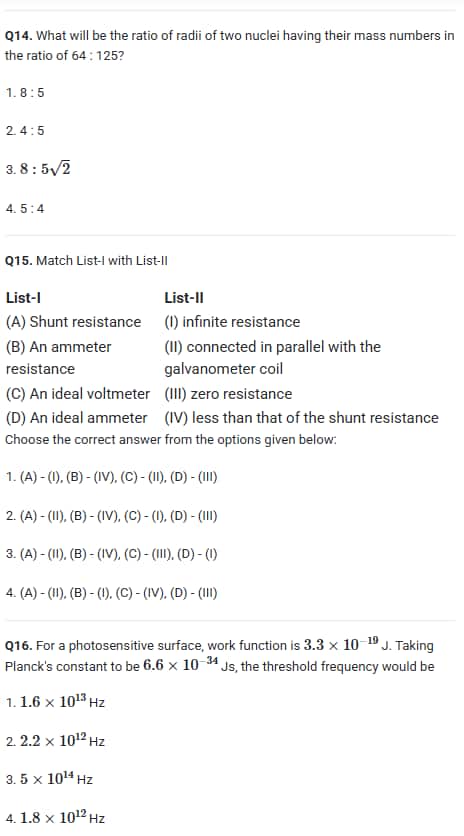
Question on Galvanometer was asked
Match the Following questions on Units and Physical Quantities were asked
From Alternating Current (AC), numerical questions were asked
Questions from Electromagnetic Waves (EMW) were asked
Questions from Optics were asked
Increasing Order question from Electromagnetic Waves was asked
Numerical question on Power was asked
Question from Dual Nature of Radiation and Matter was asked
Theory-based questions had higher weightage in the paper
Scholars’ Round Deadline: 14th Nov’26 | Earn upto 50% merit Scholarship + 10% for top performers | EFMD Accredited | AACSB (USA) & AMDISA Member | Highest CTC 28 LPA
Highest CTC 30 LPA | #9 in Management Category by Times B-School | Merit-Based Scholarship Upto - 50 Crores
Paper difficulty was moderate overall.
Questions were mostly NCERT-based.
Paper had a mix of:
Conceptual questions
Formula-based numericals
Major Topics Asked
Electrostatics & Current Electricity
Highest weightage in the paper
Questions from:
Coulomb’s law
Conservation of charge
Potential difference
Electric flux
Electric field due to long wire
Ohm’s law
Mobility
Capacitors
Cells in parallel
Current and power arrangement numericals
Magnetism & EMI
Good number of questions asked
Topics included:
Biot-Savart law
Force between current-carrying wires
Lenz’s law
Magnetic dipole moment
Magnetic susceptibility
LCR circuit
Optics
Moderate coverage
Questions from:
Lens
Astronomical telescope
YDSE
Electromagnetic Waves
Matching wavelengths
Uses of EM waves
Semiconductors
PN junction diode
Semiconductor doping applications
Overall Pattern
Most numericals were direct formula-based.
Circuit-solving questions were important.
Theory questions were straightforward.
Students with good formula practice could solve easily.
Overall Difficulty
Electrostatics & Current Electricity → Moderate
Magnetism & EMI → Moderate
Optics → Easy to Moderate
Semiconductors → Easy
Physics was rated moderate to difficult overall.
It was considered one of the toughest sections by many students.
The paper included a large number of numerical-based questions.
Around 25 - 28 questions were theory-based, largely from NCERT concepts.
Important topics included Alternating Current, Photoelectric Effect, and Mutual Inductance.
Numerical questions based on electron drift velocity and p-n junction diode resistance were reported as tricky.
The section was calculation-heavy and time-consuming.
Students with strong conceptual clarity and formula revision found it manageable.
Overall Physics paper was moderate in difficulty.
The paper had a strong mix of theory-based, statement-based, and direct formula questions.
Questions were asked from Current Electricity, including current flow and drift-related concepts.
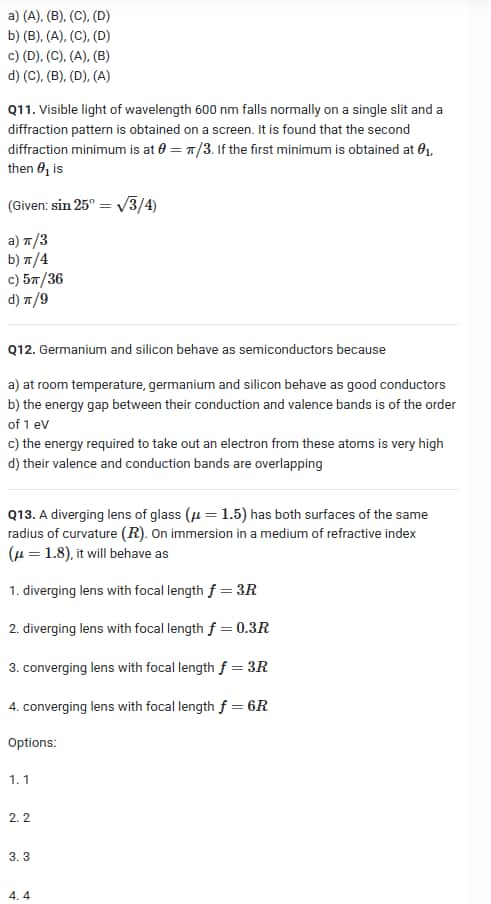
Semiconductors had good weightage with topics like p-n junction diode, forward bias, n-type and p-type semiconductors, and doping of germanium/silicon.
Multiple questions came from Electromagnetic Waves including wavelength and electromagnetic radiation.
Moving Charges & Magnetism had questions on magnetic field, direction of magnetic field, torque on dipole, and magnetic properties.
One question was based on electrostatics of conductors.
Capacitance was important - energy stored in capacitor, capacitor combinations, and charging of capacitor were asked.
A question on displacement current was also reported.
Ray Optics had questions from focal length and lens.
Atoms & Nuclei had questions on transition of electron in hydrogen atom, emitted photon energy, and binding energy per nucleon/alpha particle.
Dual Nature included a question on number of photons emitted.
Match the following questions were asked from:
physical quantity and dimensions
electromagnetic wave and production/device
instrument and characteristics
Faraday/Maxwell-based concepts
One numerical-type question involved electron density / number of electrons.
Most questions were NCERT-based and formula-driven, with several direct conceptual applications.
Around 85% of the questions were from the second part of the Modern Physics book
From Electric Charges and Fields, one question on units and Match the Following was asked
From Electrostatic Potential and Capacitors, around 2 questions were asked
From Current Electricity, around 2-3 questions were asked
From Moving Charges and Magnetism, only 1 question was asked
From Magnetism and Matter, one theory-based question was asked
No question from Electromagnetic Waves was asked in this shift
From Ray Optics, questions on Prism and Lens Formula were asked
Question on Dual Nature of Radiation and Matter was asked
Questions from the Atoms chapter were asked
Questions on P-type and N-type semiconductors were asked
Only one formula-based question from Alternating Current (AC) was asked
The overall difficulty level of the Physics paper was easy to moderate.
Around 2-3 questions were reported from Modern Physics.
The paper had a balanced mix of theory-based and conceptual questions.
Semiconductor chapter carried noticeable weightage with nearly 2-3 questions asked.
Questions from Electrostatics and Current Electricity were included in the shift.
One question based on Torque and rotational concepts was reported.
Capacitors and capacitor combinations were asked in the examination.
A question related to Magnetic Moment was also seen in the paper.
Some questions were formula-based, but lengthy calculations were comparatively less.
Students found the paper manageable if NCERT theory and standard formulas were revised properly.
The paper pattern suggested higher focus on conceptual clarity rather than difficult numericals.
Most students attempting regular mock tests and NCERT-based preparation considered the shift scoring.
Paper was easy to moderate
More theory-based questions were asked
Most theory questions were from:
Electromagnetic Induction
Current Electricity
Two numerical questions came from Semiconductors
One question was asked from Capacitors
One question was asked from Alternating Current (AC)
Physics paper was reported to be easy to moderate in overall difficulty level.
The majority of the questions were theory-based rather than calculation-intensive.
Numerical questions were comparatively fewer, unlike some previous shifts.
Direct conceptual questions from standard NCERT topics were asked.
Most questions tested understanding of fundamental concepts instead of lengthy derivations.
Formula application questions were present but involved simple substitutions and basic calculations.
Students found the paper manageable due to the absence of lengthy numericals.
Modern Physics and basic mechanics concepts were considered important in the paper pattern.
Assertion-reason and statement-based conceptual questions may have appeared in moderate numbers.
Time management was comparatively easier because complex calculations were limited.
Students with strong NCERT preparation and conceptual clarity could attempt the paper comfortably.
Overall paper pattern suggested a balanced focus on theoretical understanding and basic application.
Physics paper was reported to be moderate in overall difficulty level.
Majority of the questions were theory-based with limited lengthy calculations.
Current Electricity had a strong weightage in the paper.
Electrostatics questions were asked, including concepts related to dielectric materials.
Magnetism section also carried a decent number of questions.
A few numericals were asked from magnetic force formulas like BILsinθ and BIAcosθ type concepts.
One question involved matching formulas, while another was based on chronological order related to particle motion in circular paths.
Electromagnetic Waves (EMW) had a Match the Following question involving Microwave, Radio Waves, X-rays, and other wave categories.
Electromagnetic Induction (EMI) contributed a good number of questions.
Alternating Current (AC) had very limited representation with around one question.
Ray Optics and Wave Optics included numerical-based questions along with a few theoretical concepts.
Modern Physics included graph-based Match the Following questions from Dual Nature of Radiation and Matter.
The paper mainly focused on conceptual clarity and direct NCERT-level understanding.
Students with basic preparation and strong theoretical understanding could attempt a large portion of the paper comfortably.
Overall paper pattern remained balanced with moderate conceptual depth and manageable numericals.
Overall difficulty level of the Physics paper was Easy to Moderate
Most questions were directly based on NCERT concepts
Numerical difficulty was moderate and manageable
Two Match the Following questions were asked
Some questions were similar to previous CUET shifts
Question from Capacitors chapter was asked
Question related to efficiency from Electromagnetic Waves (EMW) was asked
Conceptual questions were more prominent than lengthy calculations
NCERT theory and formula-based preparation was highly useful
Questions were mainly focused on:
Basic concepts
Formula application
NCERT examples and statements
Time management was manageable for most students
Students with strong NCERT revision found the paper easier to attempt
Important chapters observed in the shift:
Electrostatics
Capacitors
Electromagnetic Waves
Modern Physics
Current Electricity
Match the Following and concept-based questions continued to appear in the paper
Repeated pattern from previous shifts was observed in several questions
Overall difficulty level of the paper was moderate
The paper was heavily formula-based
Students who revised formulas thoroughly found the paper manageable
Most questions were direct conceptual or formula-application based
Important topics asked:
Current Electricity
Modern Physics
Electromagnetic Waves
Units and Dimensions
Electrostatics
Optics
Questions from Current Electricity were mainly formula-based numericals
Modern Physics included direct theory-based questions
Electromagnetic Waves questions focused on uses and applications
Units and Dimensions included unit conversion-based questions
Electrostatics questions included concepts related to potential energy
Optics had comparatively fewer questions but they were conceptual
Memory-based concepts/questions asked:
Lorentz Force
Wheatstone Bridge
EM Waves
Potential Energy
Shortest Wavelength
Concepts tested included:
Direction-based concept from Lorentz Force
Circuit formula from Wheatstone Bridge
Applications of EM Waves
System of charges
Spectral series concept from shortest wavelength
Student feedback:
Formula memorisation was highly important
Questions were direct and manageable
Units and Dimensions had noticeable weightage
Modern Physics was scoring
Physics was comparatively less difficult than Mathematics
Time pressure remained moderate
Overall, the paper was balanced and formula-oriented
Students with strong NCERT understanding and regular numerical practice found the paper manageable and scoring
The overall difficulty level of the Physics paper was easy to moderate.
Most questions were directly based on NCERT concepts.
Options were designed to test conceptual understanding and careful thinking.
Students with good NCERT preparation could easily attempt around 20-25 questions.
Around 60% of the paper was theory based, while 40% involved numerical questions.
Match-the-following questions were asked from units and physical quantities.
Electrostatics had around 4-5 questions.
Current Electricity also had around 4-5 questions.
Moving Charges and Magnetism had around 3-4 questions.
Questions from Magnetism and Matter included ferromagnetic, diamagnetic, and paramagnetic substances.
EMI questions included concepts based on (e = Bvl), Lenz’s Law, and Faraday’s Law.
Alternating Current (AC) included questions from LCR circuits and resonant frequency.
Electromagnetic Radiation included theory and arrangement-based questions on uses of different radiations.
Ray Optics included questions related to mirrors and uses of concave mirrors.
Wave Optics had basic formula-based questions from Interference and Diffraction.
Semiconductor chapter included true and false conceptual questions.
Most numerical questions were direct and formula based.
NCERT theory and formula revision were enough for many questions.
Overall paper difficulty level was easy to moderate
Most students were able to solve each question within 60-90 seconds
Questions from Electromagnetic Induction were asked
Questions from Current Electricity were included
Topics like Ohm’s Law and Wheatstone Bridge appeared in the paper
Majority of the questions were theoretical in nature
Around 30 questions were theory-based
Around 15-20 questions were numerical-based
Students found the paper manageable with proper NCERT preparation
Practising mock tests was reported to be highly helpful
The Physics question paper became available around 4-5 PM
Time management was important but the paper was considered attemptable for well-prepared students
Students can check and download the CUET UG 2026 Exam Analysis PDFs for different subjects from the table below. These PDFs and e-books are prepared only for exam analysis purposes using memory-based questions, student reactions, and expert analysis.
| CUET UG Subjects Exam | Exam Analysis and Memory-Based Questions PDF |
|---|---|
| CUET UG 2026 Subjectwise Exam Analysis and Memory-Based Questions | Download Now |
CUET 2026 English Memory-Based Questions and Analysis | |
CUET UG 2026 Commerce Memory-Based Questions and Analysis (Economics, Business Studies, Accountancy) | |
CUET UG 2026 Social Studies Memory-Based Questions, Analysis (Pol Science, History, Geography) | |
CUET UG 2026 General Aptitude Test (GAT) Memory-Based Questions and Analysis | |
CUET UG 2026 Maths Memory-Based Questions and Analysis |
The CUET Physics Question Paper 2026 with Solutions PDF will help students understand the correct answers and detailed explanations for all the questions asked in the examination. After the CUET Physics Exam is conducted, the Career360 subject matter experts will release solution PDFs for students.
Subject | Download Link |
CUET Physics Question Paper with Solutions 2026 | To be updated soon |
Also check:
Frequently Asked Questions (FAQs)
There will be 50 questions in the CUET Physics exam.
Students need to attempt about 40 questions in the CUET Physics exam.
There will be multiple-choice (MCQs) in the Physics exam.
CUET Physics exam is a science domain subject in CUET for university admissions.
Yes, there is a negative marking of 1 mark in the CUET Physics exam.

On Question asked by student community
Hi!
Given below is the link to access the CUET 2027 English Vocabulary:
https://university.careers360.com/articles/cuet-2027-english-vocabulary-words
You may also find these helpful:
https://university.careers360.com/articles/50-most-important-phrasal-verbs-for-cuet-ug-2027
https://university.careers360.com/articles/idioms-and-phrases-for-cuet-2027-english-preparation
Hope that helps!
Hi student!
Given below are the links to access the CUET UG Previous Year Question Papers.
Also check:
https://university.careers360.com/articles/cuet-previous-year-question-papers
https://university.careers360.com/articles/cuet-ug-pyq
https://university.careers360.com/articles/cuet-question-papers
Hope it helps!
Hello Divyam,
Download CUET UG PCM memory-based papers from the link below and apply filters to access Physics, Chemistry, and Math resources.
https://www.careers360.com/download/cuet-ebooks-and-sample-papers
Hi,
You can check the CUET Tamil previous year question paper with answer key by clicking on the link below.
Hi,
The total marks of CUET UG for each subject is 250 marks. You can check the CUET OBC cut off marks of previous year by clicking on the link below.

Ranked #45 Among Universities in India by NIRF | Get Upto 100% Scholarships
Application form FREE of Cost for a Limited Period of Time | #11 by NIRF | NAAC A++ Accredited Institution | 1100+ Recruiters
Scholars’ Round Deadline: 14th Nov’26 | Earn upto 50% merit Scholarship + 10% for top performers | EFMD Accredited | AACSB (USA) & AMDISA Member | Highest CTC 28 LPA
Highest CTC 30 LPA | #9 in Management Category by Times B-School | Merit-Based Scholarship Upto - 50 Crores
Admissions open for 4 year full time B.A/B.Sc Liberal Arts & B.A/B.Sc (Liberal Arts) Honours with Research
BA, BA (H), 9 Specializations, B.PES | MA, MA (H), 11 Specializations, M.PES | 12 LPA Highest CTC | 5-6 LPA Average CTC