


EPCHE Bengaluru 2026: The Future of Education, Is AI Replacing Teachers or Empowering Them
Artificial Intelligence (AI) has rapidly entered classrooms around the world, transforming how education is delivered and experienced. From personalised learning apps to intelligent tutoring systems, AI is no longer a futuristic concept; it is a present reality. This shift has sparked an important debate: Is AI replacing teachers or is it empowering them? Santhosh K V, Assistant Professor and HOD, Department of Management, UG EPCHE, Bengaluru, describes the answer. The answer lies not in choosing one over the other, but in understanding how AI and human educators can work together to shape the future of education.
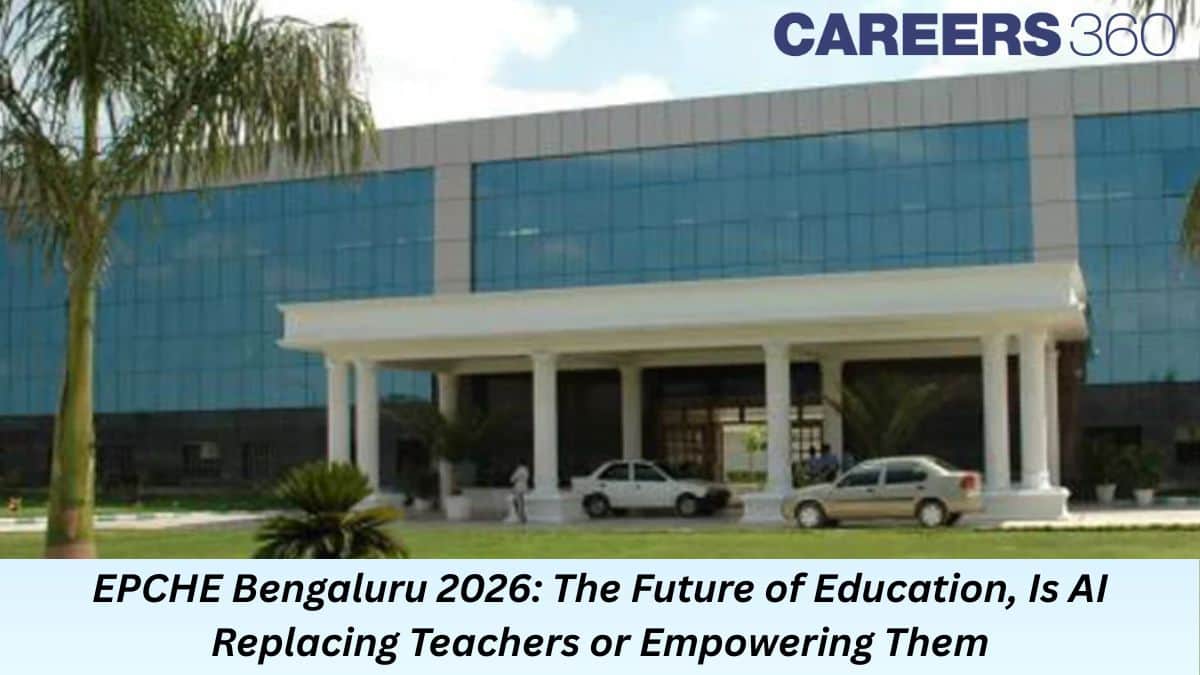
At first glance, AI may appear to threaten the traditional role of teachers. Tools like automated grading systems, virtual tutors and AI chatbots can perform tasks that once required human effort. Students can now receive instant answers, feedback and even explanations without waiting for a teacher. This has led to concerns that teachers may become less relevant or even obsolete in an AI-driven world.
Also See: EPCHE Bengaluru Admission
However, this perspective overlooks the deeper purpose of education. Teaching is not just about delivering information, but it involves mentorship, emotional support, creativity and critical thinking. These are qualities that AI, despite its advancements, cannot fully replicate. A teacher understands the emotional needs of students, motivates them and creates a positive learning environment. AI can assist, but it cannot replace the human connection that lies at the heart of education.
In reality, AI is more of an empowering tool than a replacement. One of its greatest strengths is personalisation. Traditional classrooms often follow a “one-size-fits-all” approach, which may not cater to every student’s learning pace or style. AI can analyse individual performance and adapt lessons accordingly, allowing students to learn at their own speed. Teachers can use this data to better understand their students and provide targeted support where needed.
Moreover, AI reduces the administrative burden on teachers. Tasks such as grading assignments, tracking attendance and organising lesson plans can be automated, giving teachers more time to focus on meaningful interactions with students. Instead of spending hours on routine work, educators can dedicate their energy to creative teaching methods, discussions and problem-solving activities that enhance learning experiences.
Also Read: EPCHE Bengaluru Placement
AI also opens new opportunities for innovation in education. Virtual reality classrooms, intelligent simulations and interactive platforms make learning more engaging and immersive. Subjects that were once difficult to visualise, such as science or mathematics, can now be experienced in dynamic ways. Teachers can use these tools to make lessons more interesting and effective, thereby improving student understanding and retention.
However, the integration of AI in education also comes with challenges. There is a risk of over-dependence on technology, where students may rely too heavily on AI for answers instead of developing independent thinking skills. Additionally, not all schools have equal access to advanced technology, leading to a digital divide. Teachers play a crucial role in ensuring that AI is used responsibly and ethically, guiding students to use these tools as aids rather than shortcuts.
Another important aspect is the need for teachers to adapt and upskill. As AI becomes more prevalent, educators must learn how to effectively use these technologies in their teaching practices. Professional development and training programs are essential to help teachers stay updated and confident in an evolving educational landscape.
In conclusion, AI is not replacing teachers; it is redefining their role. Instead of being the sole source of knowledge, teachers are becoming facilitators, mentors and guides in a technology-enhanced learning environment. The future of education lies in collaboration between human intelligence and artificial intelligence. When used wisely, AI can empower teachers, enrich student learning and create a more inclusive and effective education system.
Disclaimer: This content was distributed by EPCHE Bengaluru and has been published as part of Careers360’s marketing initiative.
Questions related to East Point College of Higher Education, Bangalore
On Question asked by student community
Hello.
In Order to know the fees structure of your MBA batch please contact the admission cell at you respective university and ask them about it. However, if you wish to get an answer here please update the query and mention the name.of the college/university you are applying for so
BBA is a 3 years Bachelor's degree in Business Administration and there are quite a few top BBA Colleges in India. And a Candidate who has pursued BBA and is working in a Management sector is called a BBA Professional. Admission is through various Entrance examinations. BBA offers exciting career