
Search Colleges, Exams, Schools & more


Login
Bachelor of Planning at Amity University 2026: Course, Design Concepts, and Career Path in Urban Development
Cities are constantly evolving. New neighbourhoods are built, transportation systems expand, and public spaces are redesigned to meet changing needs. Behind this transformation are urban planners who study how cities grow and develop sustainable solutions for future communities. For students interested in shaping urban spaces and improving city life, pursuing a Bachelor of Planning at Amity University can be an exciting academic journey.
This Story also Contains
- What is a Bachelor of Planning?
- Bachelor of Planning and Design: How It Connects to Urban Development
- What Do Students Study in the Bachelor of Planning Course?
- Skills Developed During the Programme
- Choosing the Right Planning Programme
- Final Thoughts
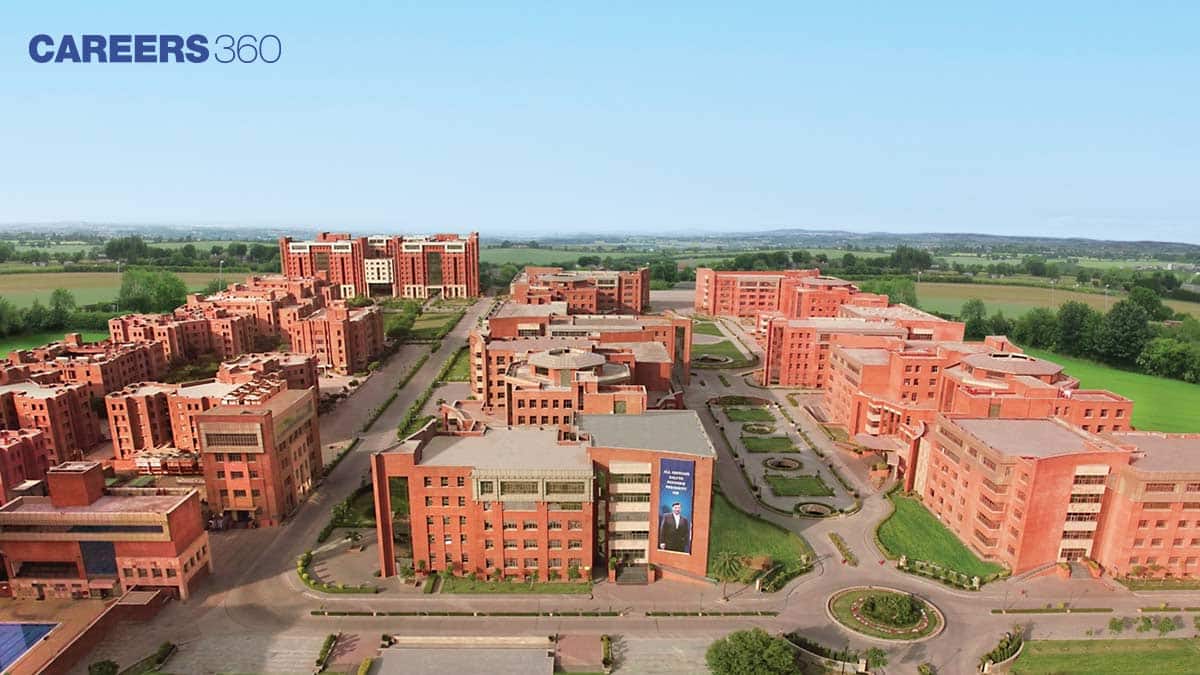
Students exploring this field often want to understand what the Bachelor of Planning course involves, how it connects with Bachelor of Planning and Design concepts, and what career opportunities are available after graduation. This guide explains the structure of the programme and what students can expect while studying urban planning.
What is a Bachelor of Planning?
A Bachelor of Planning is an undergraduate programme that focuses on urban development, infrastructure planning, land use management, and sustainable city design. The course prepares students to analyse how cities function and how they can be planned to support economic growth, environmental sustainability, and social well-being.
Urban planning professionals work on projects related to transportation systems, housing development, environmental planning, and public infrastructure. The course combines elements of architecture, geography, environmental studies, and public policy.
Students researching the Bachelor of Planning course programmes often look for universities that provide a balance of theoretical knowledge and practical fieldwork related to city development.
Bachelor of Planning and Design: How It Connects to Urban Development
The concept of Bachelor of Planning and Design is closely related to urban planning because cities require both strategic planning and thoughtful design. While planning focuses on the long-term organisation of land use, transportation, and infrastructure, design deals with how urban spaces function and look.
Planning professionals must consider several factors when designing urban environments:
Efficient transportation systems
Housing and residential development
Environmental sustainability
Public spaces and community infrastructure
Economic and social development
By combining planning strategies with design thinking, students learn how cities can become more functional, sustainable, and livable.
Students exploring bachelor of planning and design programmes often review course structures that integrate urban planning theory with spatial design concepts.
What Do Students Study in the Bachelor of Planning Course?
The Bachelor of Planning course usually spans four years and is divided into eight semesters. The curriculum introduces students to urban systems, environmental planning, transportation networks, and infrastructure development.
While the exact syllabus may vary across universities, some common subjects include:
Urban Planning Principles
Students learn how cities grow and how planners develop strategies to manage urban expansion.
Land Use Planning
This subject focuses on how land is allocated for residential, commercial, industrial, and recreational purposes.
Transportation Planning
Students study the design of transportation systems such as roads, public transit networks, and pedestrian infrastructure.
Environmental Planning
This subject examines sustainable development practices that protect natural resources and ecosystems.
Urban Design and Spatial Planning
Students learn how physical spaces in cities are designed to support community interaction and functionality.
Geographic Information Systems (GIS)
GIS tools help planners analyse spatial data and create maps that support urban planning decisions.
Housing and Infrastructure Planning
Students study strategies for developing affordable housing and essential urban services.
Many planning programmes also include field surveys, project work, and urban case studies, allowing students to understand how planning decisions influence real cities.
Students exploring bachelor of planning programmes often review university course pages to understand how these subjects are organised across semesters.
Skills Developed During the Programme
A Bachelor of Planning programme helps students develop several analytical and design-related skills that are useful in urban development careers.
Some key skills students gain include:
Urban analysis skills
Students learn how to study cities and identify planning challenges.
Spatial and design thinking
Understanding how physical spaces interact within cities is an important planning skill.
Data analysis and mapping
Tools such as GIS help students analyse geographic and demographic data.
Problem-solving abilities
Urban planners often develop solutions for complex challenges such as traffic congestion, housing shortages, and environmental concerns.
Project planning and communication
Students learn how to present planning proposals and collaborate with stakeholders.
These skills prepare graduates to contribute to projects that shape urban development and infrastructure planning.
Career Opportunities After a Bachelor of Planning
Graduates with a Bachelor of Planning degree can pursue careers in urban development, infrastructure planning, and environmental management.
Some common career options include:
Urban planner
Transportation planner
Regional development planner
Infrastructure planning consultant
Environmental planner
Urban policy analyst
Planning professionals often work with government planning departments, urban development authorities, consulting firms, and research organisations.
As cities continue to grow and urban populations increase, the demand for professionals who understand sustainable planning strategies is expected to remain strong.
Choosing the Right Planning Programme
Selecting the right university is an important step for students interested in urban planning. When evaluating planning programmes, students often consider several factors.
Curriculum relevance
The course should cover both theoretical planning concepts and practical urban analysis.
Field training opportunities
Urban surveys and planning projects help students understand real city environments.
Technology exposure
Tools such as GIS and urban modelling software are essential for modern planning.
Faculty expertise
Experienced planners and researchers can provide valuable insights into urban development strategies.
Students exploring the Bachelor of Planning course options may consider institutions that integrate planning education with practical urban research. In the Delhi NCR region, universities such as Amity University Noida offer planning programmes that introduce students to urban development concepts alongside design and infrastructure planning.
Final Thoughts
Cities are more than buildings and roads. They are living systems shaped by planning decisions that influence how people travel, live, and interact with their surroundings. A Bachelor of Planning programme gives students the opportunity to understand these systems and contribute to building sustainable urban environments.
Before choosing a course, students should explore the Bachelor of Planning course structure, understand how Bachelor of Planning and Design concepts connect to urban development, and review the academic environment offered by different universities.
For students who enjoy analysing cities, designing better communities, and solving urban challenges, studying planning can be the first step toward shaping the future of the places we call home.
Disclaimer: This article has been published as a marketing activity between Careers360 and Amity University.
Articles
Upcoming University Exams

Certifications By Top Providers
Explore Top Universities Across Globe
List of Related colleges
Questions related to Amity University, Noida
On Question asked by student community
Have a question related to Amity University, Noida ?
Hello Student,
For Amity Institute of Biotechnology, Noida, PCB students can be eligible for BTech programmes with the specified eligibility. Careers360 lists 60% aggregate in Class 12 with PCB/PCM for non-sponsored candidates and 55% for sponsored candidates. However, eligibility can differ for BTech CSE at different Amity campuses. Therefore, check
Hello Student, both Amity Noida and Amity Gurugram can be considered for MCA, but the better choice for you depends on factors such as fees, placements, campus environment, location, curriculum, internships and your career goals. If your priority is a larger campus and broader exposure, Noida may be worth considering.
Hello,
Sorry, we are currently not covering Amity University Lucknow
BDes
sample questions/papers. You can check the official Amity website for sample paper questions.
Agar aap UP Board se Class 12 PCB kar rahe ho aur B. Tech CSE karna chahte ho, to Mathematics ki eligibility requirement complete karna important hai. NIOS se additional Mathematics lene ka option useful ho sakta hai, lekin admission se pehle apne UP Board + NIOS subject combination ki
Minor mismatches in your Aadhaar card and Class 10 marksheet don't automatically make you ineligible for admission. Universities usually consider your academic documents, but you'll likely be asked to provide supporting documents or get the discrepancy corrected. It's best to contact the admissions office and explain the situation before completing

Applications for Admissions are open.
Ranked #45 Among Universities in India by NIRF | Get Upto 100% Scholarships | Spot Admissions via CUET
Woxsen University B.Tech Admissions 2027
ApplyIIRF Top Private Engineering College 2026: All India Rank #13 | H-CTC 18 LPA | Merit-Based Scholarships
GMRIT Deemed to be Univ B.com (Comp Application) 2026
Apply100+ Recruiters | 100+ Placements of 2026 Batch | NBA & NAAC Accredited | Highest CTC 37 LPA
Atlas SkillTech University | B.Tech Admissions
ApplyCourses designed with CTOs, Data Scientists, and Cybersecurity experts | 50+ elective options
IIFM- Indian Institute of Forest Management Admissions 2027
ApplyHighest CTC- 21 LPA | Average CTC- 10.38 LPA Scholarships Available | MBA in Forestry Management MBA in Sustainability Management MBA in Sustainable Development MBA in Development and Sustainable Finance